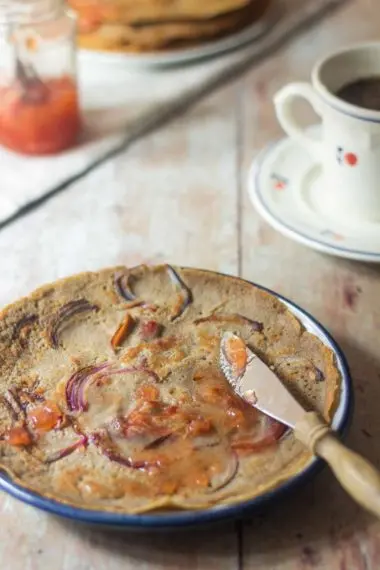
Surprise, surprise. It’s the Germans who make the best buckwheat pancakes. At least in my humble opinion. I know that the French like to fancy themselves for their buckwheat crêpes but they often miss the secret ingredient to great buckwheat pancakes: coffee. Yes, it might sound obscure at first. You certainly wouldn’t put coffee into regular pancakes. But in buckwheat pancakes, coffee is magic. This is a traditional recipe from the Bergisches Land in North-Rine-Westphalia […]
Blog
Let’s talk about pepper – Part 1: Cambodia and Vietnam
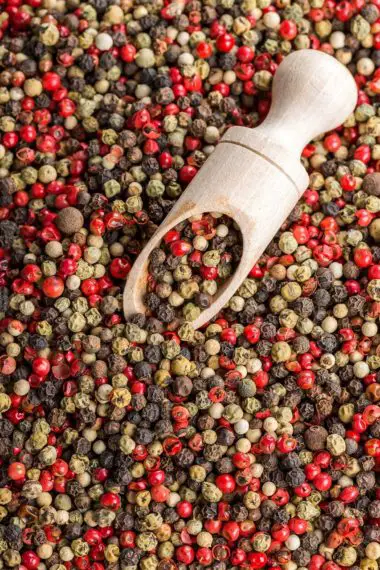
Germans are among the biggest pepper consumers in Europe. In 2017, the average German ate 205 grams of pepper. That’s much more than our French neighbors where one person on average only consumes 75 grams of pepper a year. The average European eats 120 grams of pepper a year. Yet despite our high consumption levels, most Germans don’t have much knowledge about pepper. They neither know how it is grown and produced nor how to […]
Carinthian Cheese Noodles (‘Kärntner Nudeln’)
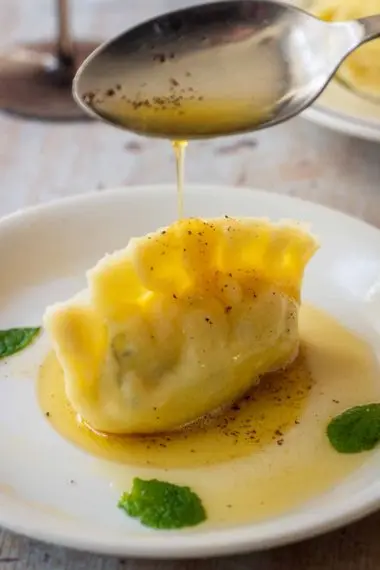
Carinthia is the southernmost Austrian state and home to a unique kind of dumpling: the Carinthian cheese noodle. It’s a vegetarian dumpling that is said to be closely related to the Italian ravioli. While a Swabian would never ever think of pleating his soup dumplings (‘Maultaschen’), it’s the trademark of the Carinthian cheese noodle. In the past, it was unthinkable for Swabians to eat vegetarian dumplings. They were originally invented to hide the meat from […]
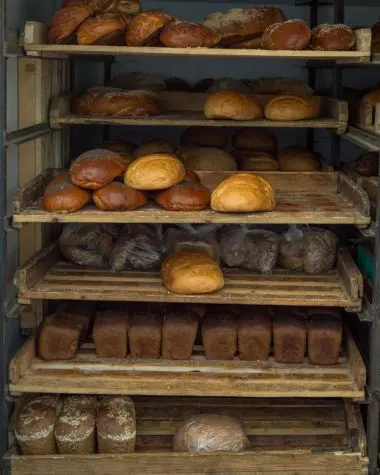
What is sourdough? An in-depth guide to sourdough technology for bakers
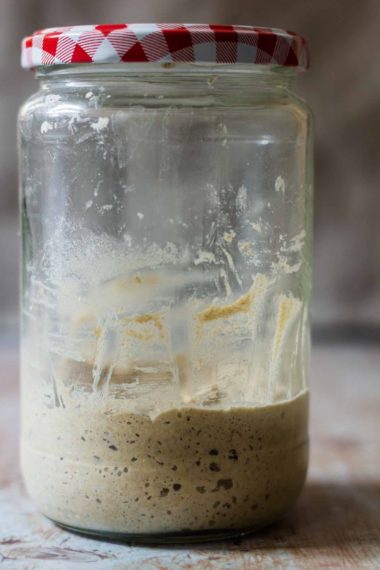
Sourdough is a fermented mixture of wheat, spelt, or rye flour and water. Sometimes it might also include salt. It is obtained by spontaneous fermentation with environmental lactic acid bacteria and yeasts which make sourdough acidic and give it the ability to leaven bread. To keep sourdough active and in optimum condition, it needs to be refreshed consecutively. That’s the scientific definition of what sourdough actually is. If you’re an experienced baker then I’m sure […]
Bonus Recipes: American-style Dinner Rolls and Italian Ciabatta
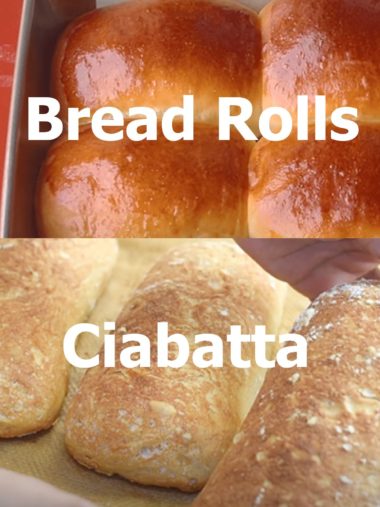
Recently, Farzam from Soltans Kitchen reached out to me and said that he would be happy to share two bread-baking recipes with my readers. While my focus is solely on German food on this blog, I know that a lot of my readers outside of Germany are also fans of non-German bread, like, for example, American-style dinner rolls or Italian ciabatta. So why not include them here as a little bonus for you?
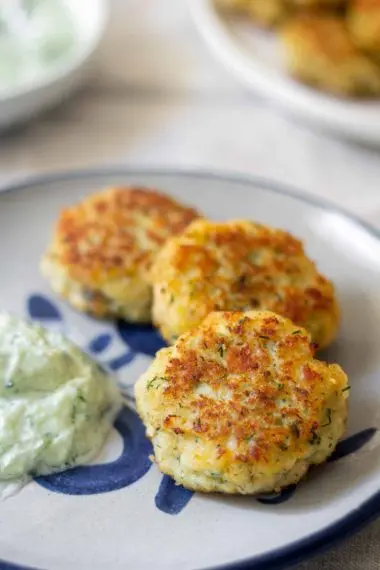
Fish Cakes with Cucumber Yogurt (‘Fischküchle mit Gurkenjoghurt’)
I would choose fish cakes over meatballs at any occasion. They are light, delicate, and incredibly tender. Meat, fish, grain, and vegetable patties are insanely popular across German cuisine. It’s said that the American hamburger was invented by putting German meatballs on a slice of bread. Now, a fish cake or meatball is quite different from how you would prepare a burger. For these, plain minced meat won’t do it. You need to loosen the […]
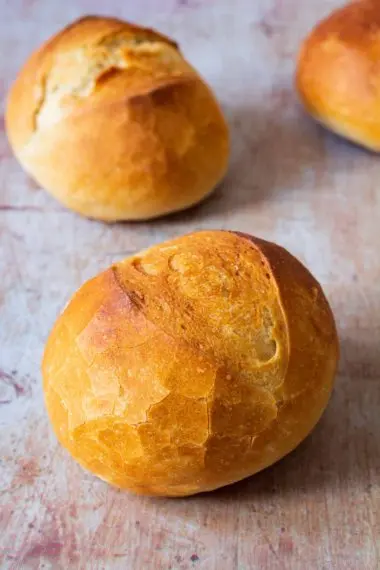
How to bake bakery-style German bread rolls with enzymes – Putting theory into practice
Last week, I gave you a detailed overview of how baking enzymes work and why they are used so extensively in the food industry and also by artisanal bakers. That was a lot of theory so I thought it might be nice to confirm some of the claims I have made by showing you: How to judge the quality of your flour The impact of baking malt and modern baking enzymes on the taste and […]
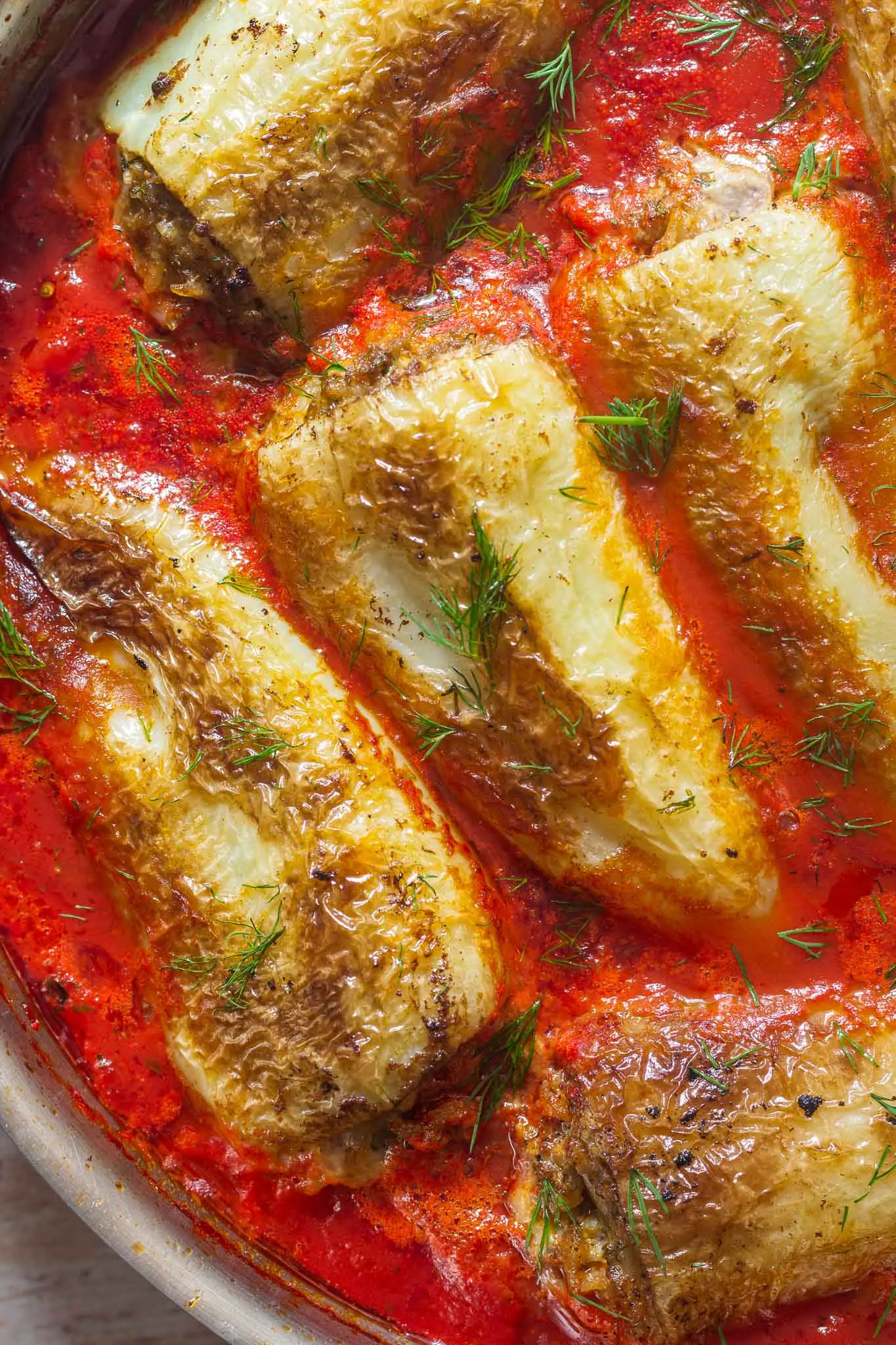
Stuffed Banana Peppers (‘Gefüllte Spitzpaprika’)
There’s no better way to prepare banana peppers than to stuff them with a meat mixture. Braised in a simple tomato sauce, they taste heavenly. I love to specifically use banana peppers for this dish because they are a bit smaller than traditional bell peppers and they have a nice bitterness to them. I know that a lot of people don’t like the bitter varieties of peppers. A lot of recipes even specify to not […]
What even is the point of baking enzymes?
In its simplest form, bread has just three ingredients: flour, water, and salt. That is if you’re baking artisanal sourdough bread. Non-sourdough bread includes yeast as the fourth ingredient. There are also other ingredients that can be used in bread baking to alter the texture of the final product. Fat strengthens the gluten network and makes the final product less chewy and more tender. Sugar gives the bread a crispier crust. And malt lends a […]
Kratzete, Eierhaber
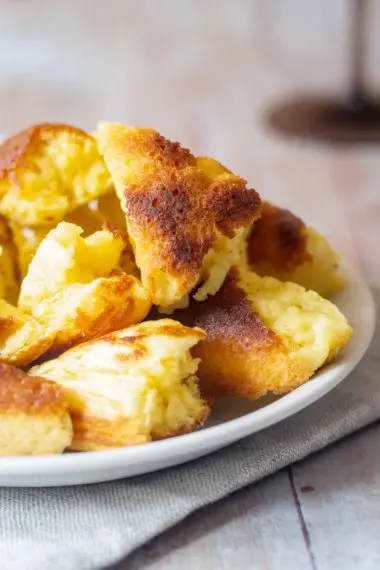
Kratzete or Eierhaber doesn’t really have an English name which is why I only refer to it by its German name. It’s a savory version of the Austrian Kaiserschmarrn and usually served as a side dish for asparagus with sauce hollandaise or goulash. It’s a truly Southern German dish that usually cannot be found in the Northern parts. You might wonder how an Austrian dessert became a popular German side dish. That is, because, there […]


You must be logged in to post a comment.